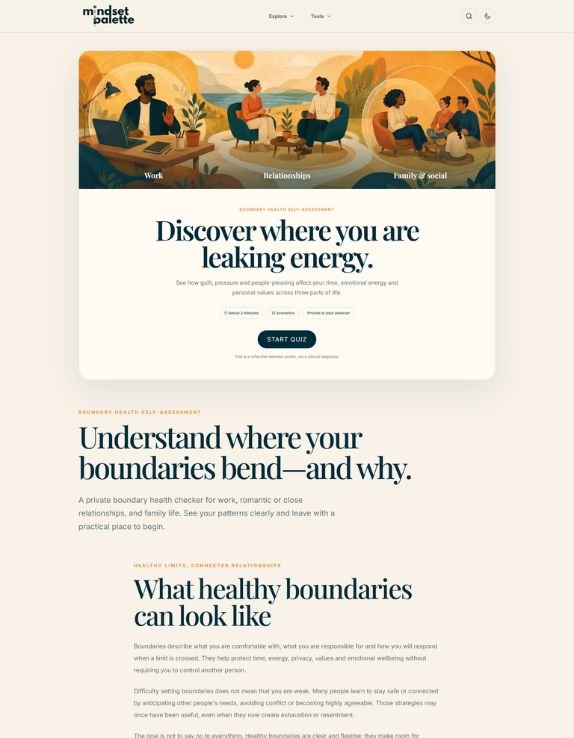
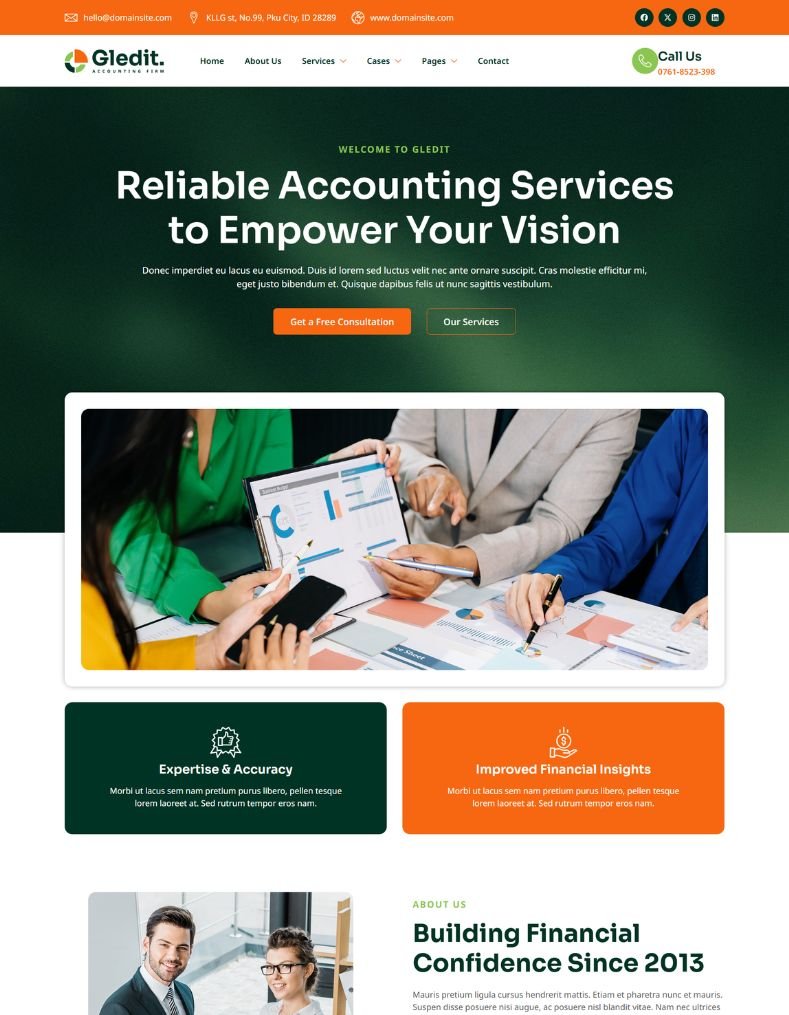
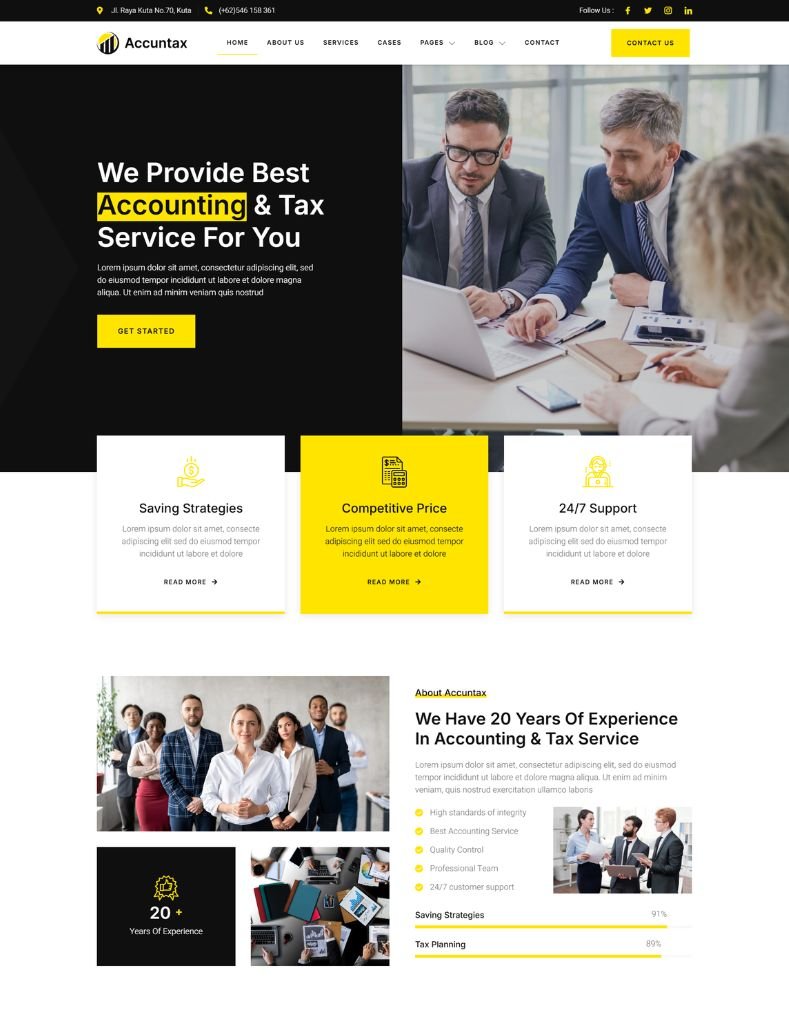
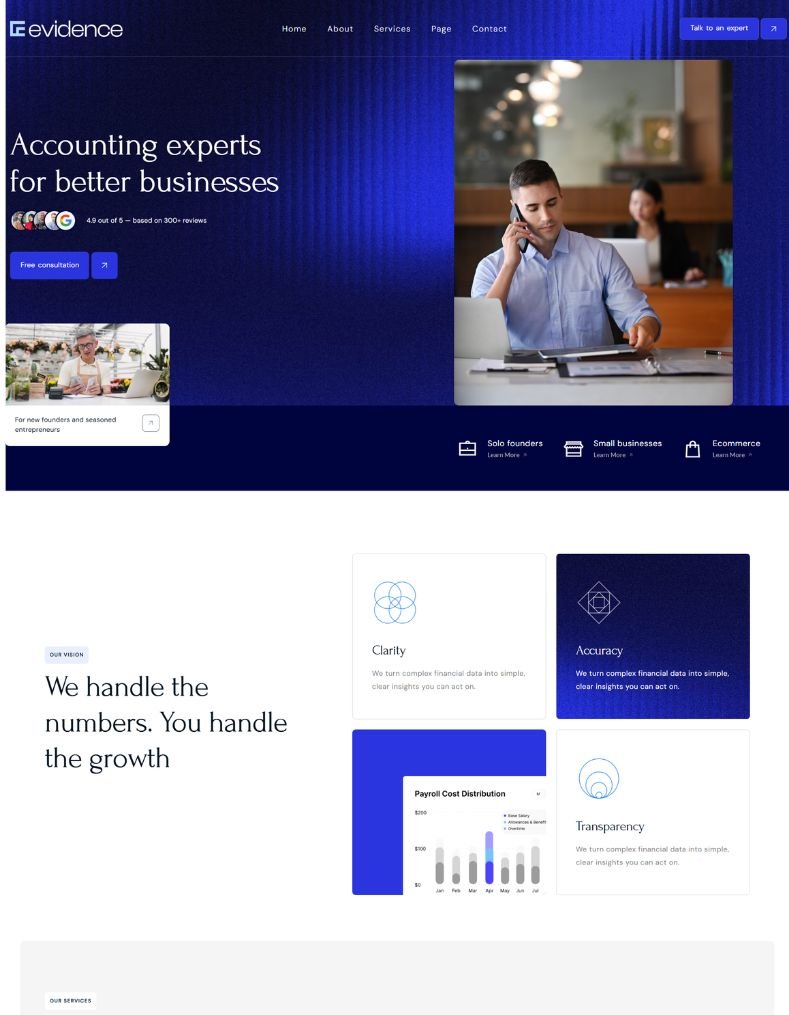
TruWebz designs intuitive interfaces and user journeys for websites, portals, and digital products. Research, information architecture, wireframes, and responsive UI come together to help users complete important tasks with less friction.
Audience needs, behaviours, questions, and context guide the structure instead of personal preference.
Content and controls are organized so users can scan, understand, and act with confidence.
Reusable components and predictable interactions create a cohesive experience across screens.
Helpful pathways connect user intent with business goals naturally and transparently.
Understand users through stakeholder interviews, analytics, competitor review, customer questions, and task analysis before making interface decisions.
Key Highlights:
• Audience and task analysis
• Evidence-led prioritization
• Competitor experience review
Deliverable: UX findings summary + opportunity priorities
Organize pages, navigation, labels, content hierarchy, and search paths so users can understand complex information and find the right next step.
Key Highlights:
• Sitemap and navigation design
• Content hierarchy
• Findability improvements
Deliverable: Information architecture map + navigation recommendations
Map onboarding, forms, booking, purchase, account, and conversion journeys to identify friction, edge cases, missing information, and decision points.
Key Highlights:
• Task-flow mapping
• Friction and drop-off review
• Conversion journey planning
Deliverable: User-flow diagrams + prioritized UX recommendations
Validate layout, hierarchy, interactions, and responsive behaviour with low- and high-fidelity wireframes or clickable prototypes before development.
Key Highlights:
• Rapid structure validation
• Interactive prototype testing
• Responsive planning
Deliverable: Wireframe set + clickable prototype
Design accessible, consistent interfaces with typography, colour, components, states, feedback, and mobile-first behaviour across desktop, tablet, and phone.
Key Highlights:
• Component system
• Responsive states
• Accessibility-conscious interface design
Deliverable: Responsive UI screens + component guidance
Evaluate an existing website or product for clarity, navigation, forms, accessibility basics, cognitive load, consistency, and conversion opportunities.
Key Highlights:
• Heuristic evaluation
• Mobile and desktop review
• High-impact issue list
Deliverable: Usability audit + prioritized improvement roadmap
WHY EXPERIENCE DESIGN MATTERS
People rarely describe a good interface—they simply find what they need and complete the task. When an experience is confusing, the cost appears as abandoned forms, lost purchases, support questions, and lower trust.
UI/UX design connects customer needs with business outcomes through clearer structure, better interactions, and tested design decisions.
Clear navigation, forms, labels, and feedback help users complete tasks with fewer obstacles.
Purposeful flows support inquiries, registrations, purchases, and other important actions.
A reusable interface system keeps products coherent as pages and features expand.
Wireframes and prototypes expose issues before they become costly development changes.
START A UI/UX DESIGN PROJECT
Tell us about your goals, current challenges, and priorities. We’ll review the opportunity and follow up with practical next steps.
✓ Practical recommendations based on your goals, systems, and budget
Share a few details. No obligation and no technical knowledge required.
We clarify users, business goals, existing evidence, constraints, and priority tasks.
We map flows, information, decision points, and moments where users need reassurance.
We test hierarchy, content placement, navigation, forms, and responsive behaviour.
We apply a cohesive component system, brand expression, states, and interaction details.
We refine with feedback, document responsive behaviour, and prepare designs for development.
UI/UX DESIGN FAQ
UX focuses on the overall journey, structure, usefulness, and ease of completing tasks. UI focuses on the visual and interactive layer users see and operate.
Yes. Depending on the project, prototypes can demonstrate navigation, key interactions, task flows, and responsive intent before development.
Yes. A usability review can identify friction in navigation, hierarchy, forms, consistency, accessibility basics, and conversion paths.
Research scope can include stakeholder interviews, analytics review, competitor analysis, user interviews, surveys, and usability testing.
Yes. We prepare organized screens, component guidance, responsive behaviour, assets, and annotations appropriate to the agreed handoff.
START A CONVERSATION
Leave your details and we’ll respond within one business day.
Tell us what you’re planning. We’ll reply with clear next steps—no pressure.