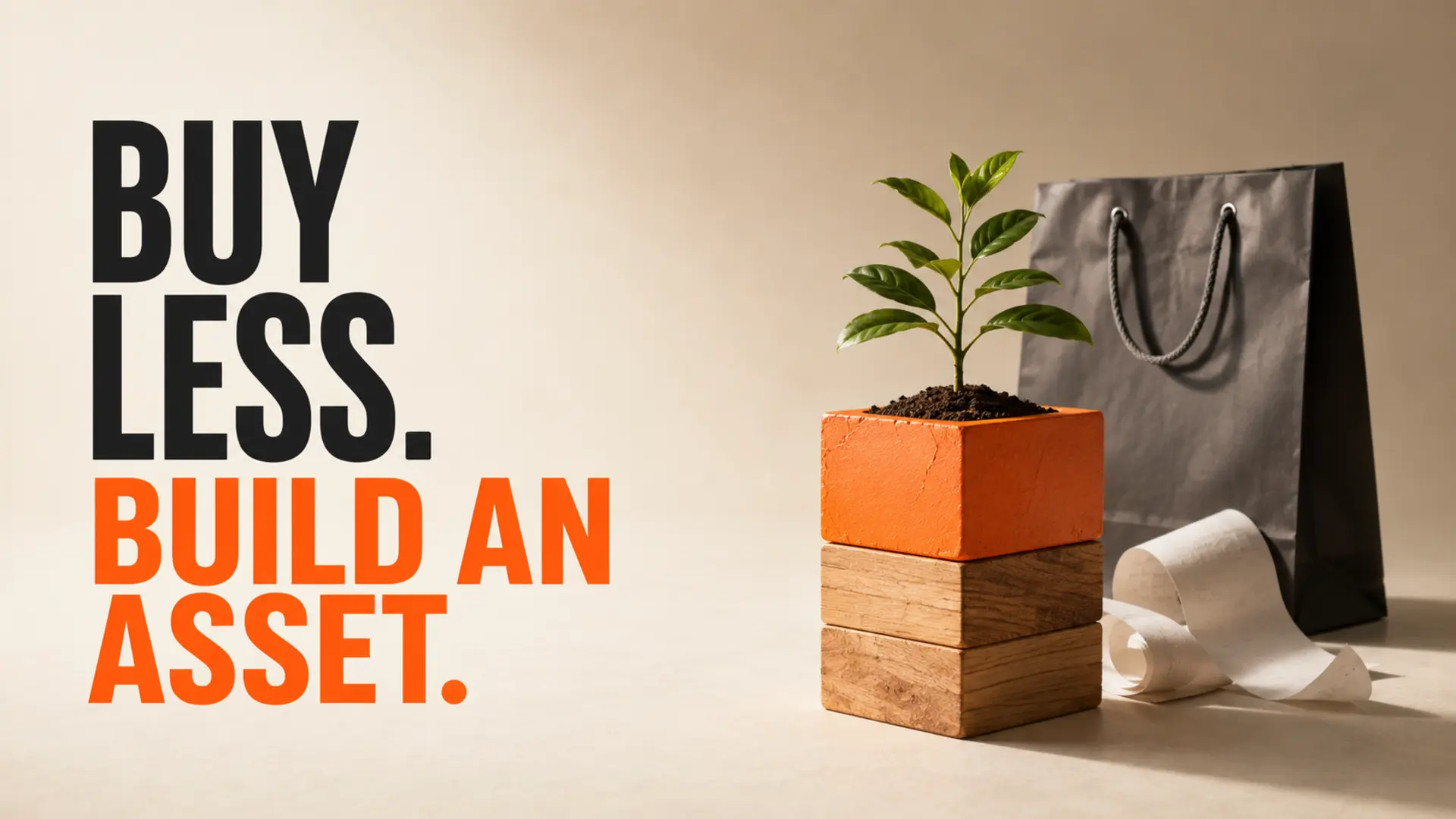
The short version: A major purchase and a business investment serve different purposes. Before directing money toward a website or online venture, protect essential expenses, define the customer problem and validate demand. Building an asset is a process, not a guaranteed return.
The idea to invest in a business asset can be motivating, but comparisons with personal purchases become misleading when they imply that a fixed amount will automatically create income. A business requires time, customer research, delivery capability and ongoing operating costs.
The useful question is not whether one purchase is morally better than another. It is whether your available resources can responsibly test a real business opportunity without putting essential finances at risk.
Before You Invest in a Business Asset
- Protect essentials: Keep money needed for housing, food, debt payments, emergencies and existing obligations separate.
- Define the problem: Identify a specific customer and a recurring need you understand.
- Check demand: Interview potential buyers and examine current alternatives before commissioning a build.
- Estimate total responsibility: Include marketing, software, taxes, support, maintenance and your time.
- Set a stopping rule: Decide what evidence would justify continuing, changing direction or ending the test.
What a Small Initial Budget Can Test
A limited budget may support research, a focused landing page, basic brand materials, a prototype or a manually delivered pilot. The exact scope depends on the business model, design requirements, technology, integrations and who performs the work.
Do not begin with a large feature list. A service business may only need a credible page and a reliable enquiry process. A content business needs an editorial plan and distribution. A software concept may need a prototype that demonstrates one workflow before any production system is built.
Three Responsible Ways to Start
1. Package a Service You Already Understand
Turn an existing skill into a clearly scoped offer for a specific customer. Document what is included, how work is delivered, what the customer must provide and how success will be evaluated.
2. Test a Focused Information Resource
Publish useful original guidance around a topic where you have real expertise. Validate whether the intended audience returns, subscribes or asks for related help before assuming the resource can be monetized.
3. Pilot a Small Digital Tool
Reproduce the intended result manually or with a simple prototype. Learn which inputs matter, what must be accurate and whether users will adopt the workflow before investing in automation.
Build Evidence, Not Financial Projections
Early spreadsheets can create false confidence. Replace speculative traffic, conversion and revenue forecasts with milestones you can observe: completed interviews, repeat pilot use, qualified enquiries, paid trials and customer retention.
Record costs and time honestly. If a pilot only works because the founder provides extensive manual support, that is valuable information about the future operating model.
Compare the risks of building versus buying an online business, explore simple app ideas worth validating, and decide between a website and mobile app based on real requirements.
Conclusion: Start Small and Preserve Options
A business asset is created through useful work, customer trust and repeatable operations—not through a single purchase. Test the smallest credible offer, learn from real behaviour and expand only when the evidence supports it.
Ready to Build a Stronger Online Presence?
Talk with TruWebz about a faster, clearer website built to attract and convert the right customers.
Frequently Asked Questions
Is investing in a website the same as buying a business?
No. A website is one component of a business. Customer demand, the offer, operations, marketing, support and financial management determine whether it becomes a useful asset.
How much money should I invest in a new business idea?
There is no universal amount. Protect essential finances first, define a small validation test and budget only what you can afford to lose. Seek qualified financial advice for personal circumstances.
What can I test before building a full website?
Run customer interviews, offer the service manually, create a focused landing page or use a prototype. Look for repeat use, qualified enquiries or paid commitments.
What kind of online business is suitable for a beginner?
A focused service or resource related to skills and customer problems you already understand is often easier to test than a complex platform. Suitability depends on demand and your ability to deliver.
How do I know when to invest more?
Expand when customers use the offer repeatedly, the delivery process is understood and additional investment solves a demonstrated constraint. Set measurable milestones before spending.