
The short version: “Boring” website ideas can become useful businesses when they solve a specific, recurring problem for a clearly defined audience. The opportunity is not assured outcomes; it is the ability to test practical lead-generation, directory, comparison, or calculator concepts without building a complex consumer startup first.
Important: Demand, search visibility, enquiries, costs, income and business value vary by market, execution and other factors. Examples are for planning only and are not guarantees of results.
The best boring website ideas that support a viable model are rarely exciting at first glance. They help someone find a qualified provider, compare a difficult purchase, complete a calculation, or organize information that is otherwise fragmented.
Any idea on this list still needs customer research, credible information, a workable acquisition channel, and a monetization model customers accept. Revenue, traffic, costs, and timelines vary. Treat each concept as a hypothesis to validate rather than a promise of profit.
Trade and Industrial Lead-Generation Ideas
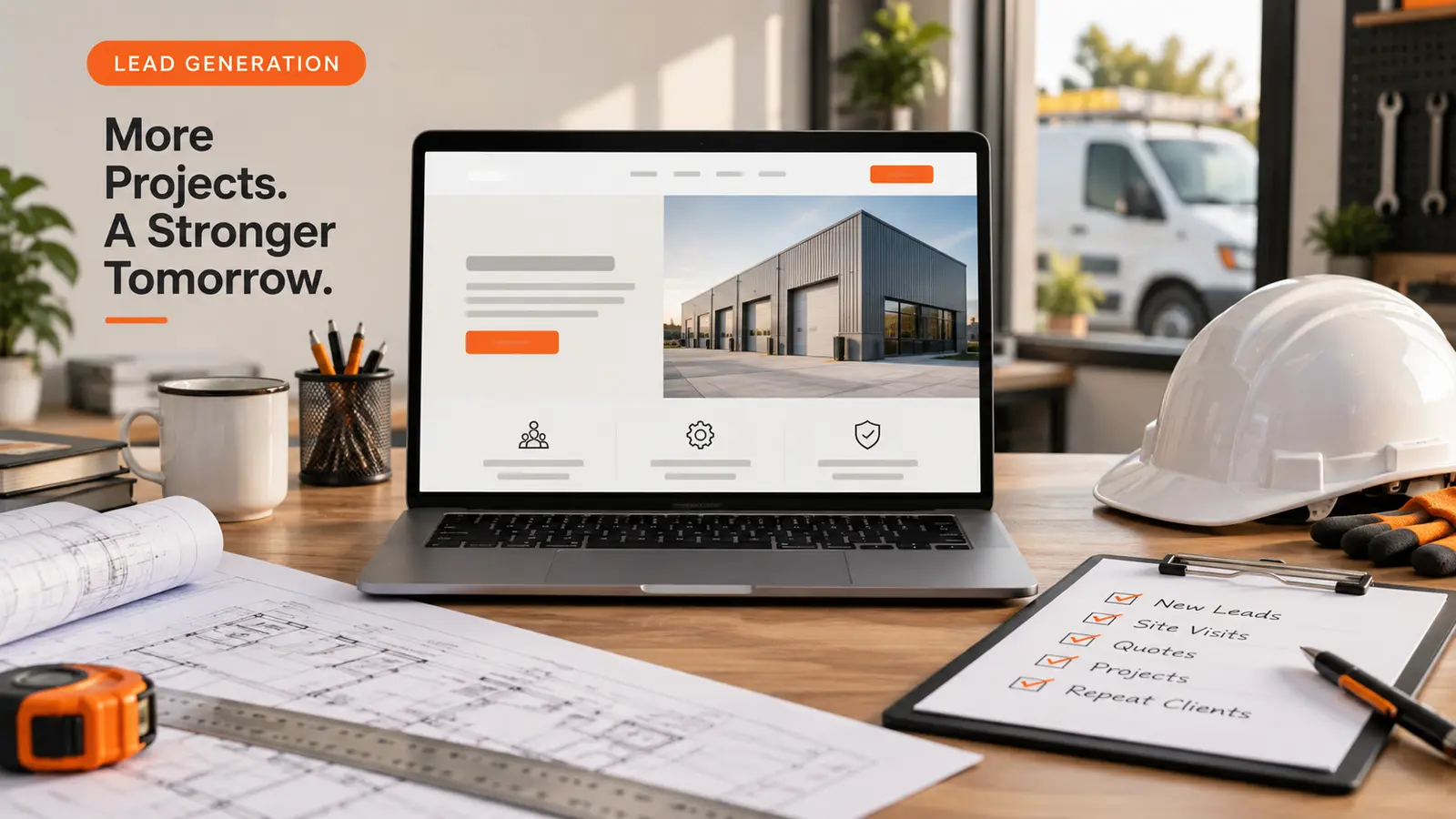
Lead-generation websites can earn revenue through disclosed referral arrangements, subscriptions, or advertising. They also require accurate claims, privacy practices, consent, reliable routing, and clear expectations for participating businesses.
1. Commercial Snow Removal and Salting
Create a regional resource that helps property managers compare service areas, insurance requirements, equipment capacity, response expectations, and contract questions before winter.
Why it can work: Commercial buyers often care less about a clever brand and more about coverage, response planning, documentation and dependable communication. A site can serve property managers, condo boards, facility teams and contractors without trying to become a general winter blog.
First version: Start with one region, a short provider profile format, a service-area filter and a structured quote request. Potential revenue models include paid provider profiles, qualified referral arrangements or a subscription for businesses that want enquiries routed to them. Validate whether providers will pay for a real, permission-based enquiry before building a large directory.
2. Mobile Crane and Rigging Services
Organize crane types, service regions, project requirements, safety documentation, and enquiry details so contractors can contact suitable providers with better information.
Why it can work: Crane work is a high-consideration purchase. Buyers need to describe the lift, site access, equipment requirements, schedule and documentation before a useful conversation can happen.
First version: Build a clear request form and reference pages explaining crane categories, planning questions and service areas. Monetization could come from qualified lead routing or listings, but the site should never imply that a provider is suitable for a project without the provider confirming the details.
3. Industrial Sandblasting and Coating
Help buyers filter providers by material, finishing process, item size, location, and turnaround capability. Avoid describing a company as certified or verified without a documented process.
Why it can work: The buyer’s problem is usually specific: surface preparation, corrosion protection, a material constraint or a finishing requirement. A focused site can organize that decision better than a generic contractor listing.
First version: Publish a process glossary, application checklist, service-area pages and a quote form that asks about material, dimensions and desired finish. Test demand with a small group of real providers before investing in advanced filters or paid placements.
4. Commercial Kitchen Exhaust Cleaning
Build an educational directory covering service areas, scheduling questions, documentation, and how businesses can confirm the requirements applicable to their own premises.
Why it can work: Restaurant operators need a service that fits their hours, premises and documentation needs. A useful resource can reduce the time spent comparing providers while avoiding unsupported claims about inspection or compliance.
First version: Create a local directory, a preparation checklist and a set of questions to ask before booking. Possible revenue includes sponsored listings or referral fees, provided commercial relationships are disclosed and the information remains current.
Niche B2B Directory Ideas
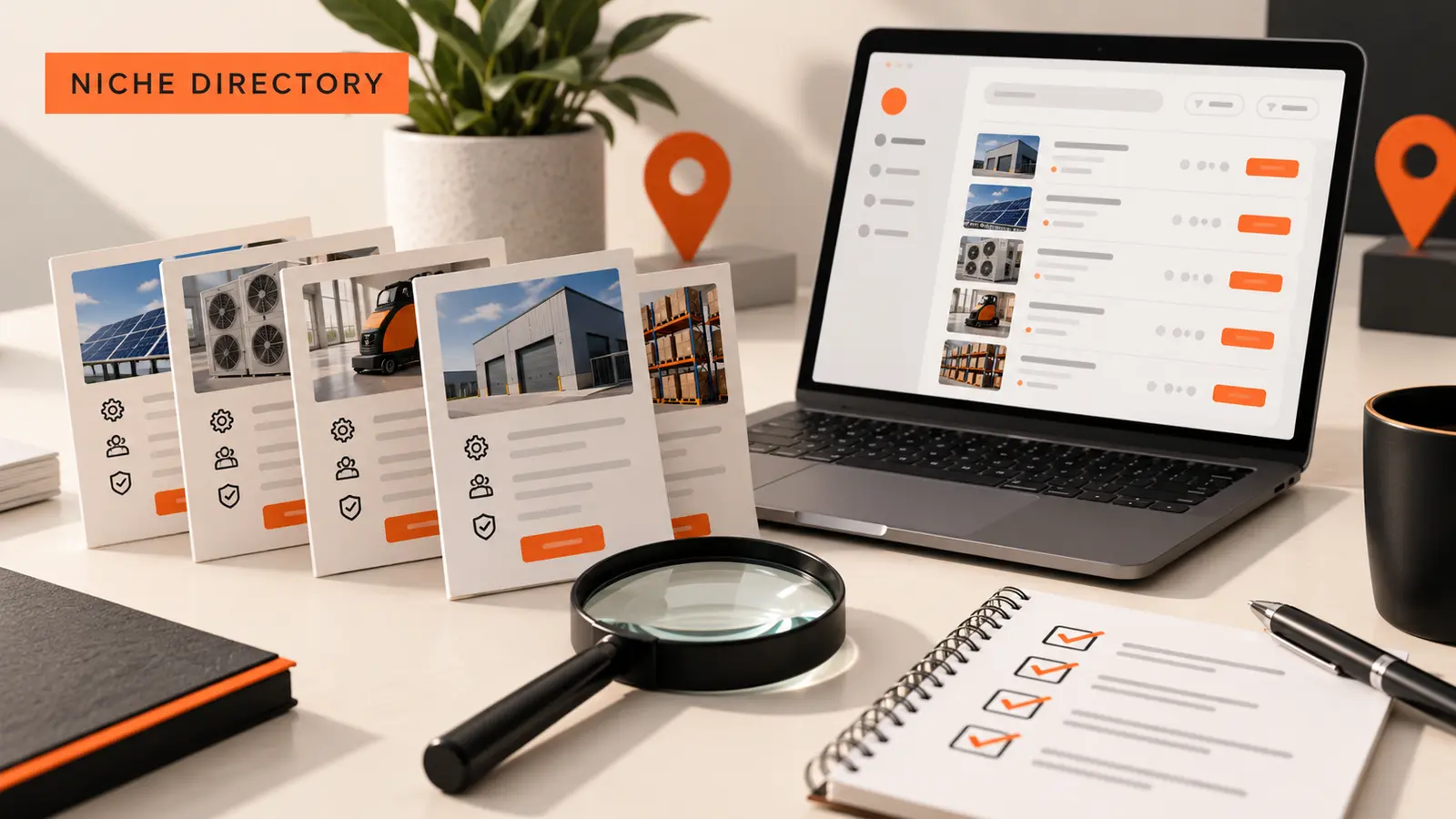
A directory succeeds when its information is accurate, current, easy to filter, and meaningfully better than a generic search. Paid placement should be clearly disclosed.
5. Medical and Dental Waste Services
List service regions, accepted waste categories, pickup options, and provider-supplied credentials. Users should independently confirm regulatory and contractual requirements.
Why it can work: This is a narrow B2B problem with recurring service needs and categories that are easy to misunderstand. Buyers benefit from clear explanations of pickup types, accepted materials and questions to confirm with a provider.
First version: Begin with verified provider-supplied information and a simple comparison framework. Avoid turning the site into a compliance authority; link to official guidance where relevant and make providers responsible for confirming their own service terms.
6. Heavy Equipment Transport
Allow contractors and equipment dealers to identify operators by service area, trailer type, load capability, and the information needed to request a quote.
Why it can work: A transport enquiry becomes more useful when it includes the equipment dimensions, weight, origin, destination, loading conditions and preferred timing. A structured website can save both the buyer and operator from incomplete first conversations.
First version: Offer a quote-request workflow and profiles organized by trailer type and service area. Charge for qualified introductions or business memberships only after confirming that the enquiries are relevant enough to have commercial value.
7. Environmental Assessment Consultants
Create a regional directory of firms and the services they state they provide. Do not imply professional licensing, availability, or suitability without verification.
Why it can work: Buyers may not know which type of assessment or consultant they need. A plain-language directory can help them understand the vocabulary, identify the next question and contact firms that state they offer the relevant service.
First version: Use a transparent profile template, provider review dates and links to each firm’s own documentation. Never convert a listing into a recommendation unless you have a defensible, disclosed evaluation method.
8. Trade Training and Apprenticeship Resources
Organize public information about training providers, application resources, programmes, and regional opportunities. Keep dates and eligibility details current and link to authoritative sources.
Why it can work: Training information is often spread across provider pages, application portals and regional resources. A well-maintained guide can earn repeat visits even if the design is deliberately simple.
First version: Choose one trade or region, publish an eligibility and application checklist, and send users to the authoritative source for final requirements. Revenue could eventually come from relevant sponsorships, job-board listings or a paid planning tool, but accuracy and freshness are the product.
For more directory concepts, compare these ideas with simple app ideas for small businesses.
Commercial Comparison Website Ideas
Comparison content should explain methodology, disclose commercial relationships, and avoid rankings that cannot be supported.
9. Fleet Tracking and Dashcam Systems
Compare published features, deployment requirements, integrations, support models, and contract questions for different fleet sizes. Verify current details directly with each provider.
Why it can work: Fleet buyers are not comparing features in isolation. They need to consider vehicle count, driver workflows, installation, data access, integrations, support and contract terms.
First version: Create role-based comparison pages and a requirements worksheet rather than a generic “best software” list. Monetization can include disclosed affiliate relationships, lead referrals or paid vendor profiles, with review dates shown clearly.
10. Restaurant POS and Kitchen Systems
Help independent restaurants understand hardware, payment processing, offline operation, integrations, data export, support, and total-cost questions without fabricating prices.
Why it can work: A restaurant’s needs change depending on service style, number of locations, payment setup, kitchen workflow and connectivity. A narrow comparison site can be helpful when it explains trade-offs instead of repeating vendor marketing.
First version: Compare the questions owners should ask about hardware, offline operation, reporting, integrations, exports and support. If you use affiliate links or sponsored placements, label them and keep the editorial criteria visible.
11. Commercial Waste and Compactor Services
Organize container types, collection considerations, service-area information, and questions businesses should ask when comparing agreements.
Why it can work: Commercial waste decisions involve frequency, container type, access, volume and contract details. A simple estimator or structured enquiry form may be more valuable than a long general article.
First version: Start with one customer segment, such as restaurants, warehouses or construction sites, and route complete enquiries to participating providers. Measure completed quote requests rather than page views alone.
12. Construction Management Software
Build role-based comparisons for estimators, project managers, field teams, and owners. Separate observed facts from opinion and date every review.
Why it can work: The person buying software may be an estimator, project manager, field lead or owner, and each role asks different questions. That creates room for useful, role-based explanations.
First version: Use a consistent review template covering workflow fit, onboarding, integrations, data export and support. Date every comparison and separate observed product facts from your editorial judgement.
Useful Calculator and Web-Tool Ideas
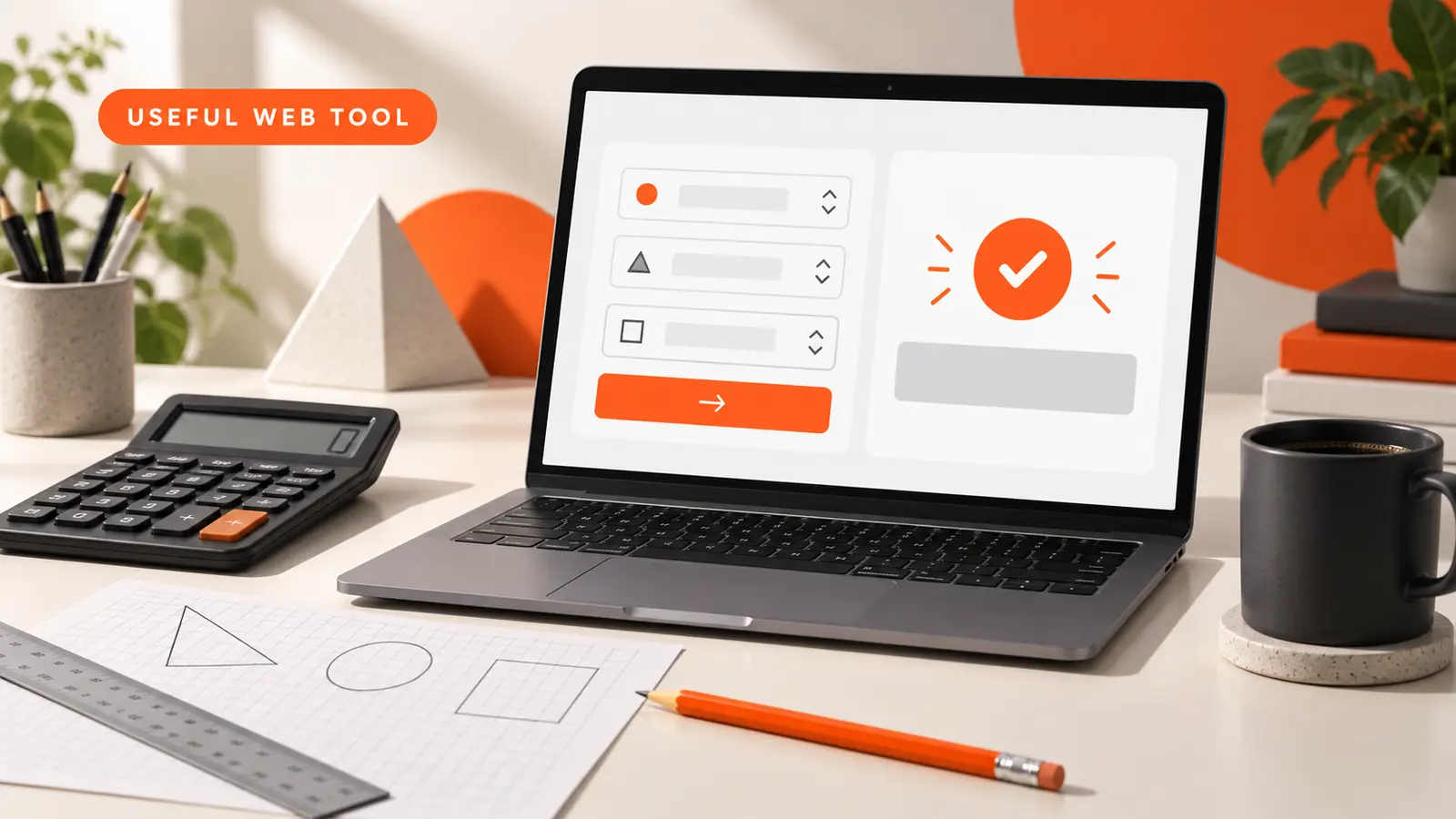
Calculators can attract the right audience when the formula, assumptions, update date, and limitations are visible. Tools involving taxes, safety, compliance, or regulated decisions need authoritative inputs and careful disclaimers.
13. Aggregate and Topsoil Estimator
Estimate material volume or weight using clearly labelled user inputs and adjustable density assumptions. Encourage users to confirm quantities with their supplier before ordering.
Why it can work: Users often need a quick estimate before contacting a supplier. A focused tool can generate useful supplier enquiries if it makes the assumptions visible instead of pretending to produce an exact order quantity.
First version: Let users enter area, depth and material type, then show the formula, unit conversions and a sensible confirmation message. A supplier referral model or a paid version for contractors may be possible after the free tool proves useful.
14. Ontario Property-Tax Calculator
A calculator could help users explore published tax inputs, but rates, exemptions, municipalities, and buyer circumstances change. Link to authoritative sources, state the update date, and make clear that the result is an estimate rather than legal or tax advice.
Why it can work: People search for calculators because they want a rough answer before they speak with a municipality, broker or adviser. The trust requirement is high because rates and circumstances vary.
First version: Display the source and update date for every rate, explain which municipalities and exemptions are included, and keep a visible “estimate only” notice. Treat data maintenance as an ongoing operating cost, not a one-time launch task.
15. Commercial Lease Occupancy Calculator
Help tenants model base rent and additional occupancy costs using inputs they control. Explain that lease terminology and recoverable costs vary and should be reviewed with qualified advisers.
Why it can work: Tenants and business owners often struggle to compare base rent with additional occupancy costs. A calculator that makes assumptions visible can turn a confusing worksheet into a useful first-pass planning tool.
First version: Support a small set of clearly labelled inputs and allow users to save or export the estimate. Explain that lease language differs and invite users to have the result reviewed before relying on it for a commitment.
If your useful calculation currently lives in a worksheet, read how to turn a spreadsheet into an online tool.
What Makes a “Boring” Website Business Viable?
A plain website can be a real business when it does one job well. Look for four signals before you build: a defined audience, a repeated problem, a way to reach that audience, and a customer or business willing to pay for the solution.
- Specific audience: “Businesses” is too broad. A clearer starting point is property managers, independent restaurants, contractors or commercial tenants.
- Repeated need: The problem should happen often enough that users or providers have a reason to return, refer others or pay for a shortcut.
- Reachable demand: Search, partnerships, associations, direct outreach and local networks are all possible channels. Do not assume organic traffic will arrive automatically.
- Clear value exchange: Decide whether the website earns through qualified leads, paid listings, subscriptions, advertising, referrals, software access or a related service.
The simplest idea is not always the best one. The better question is whether a small, trustworthy website can create measurable value with manageable maintenance.
How to Validate a Boring Website Idea
- Choose one audience and one costly or repeated problem.
- Interview potential users and providers without pitching a finished solution.
- Check how people currently solve the problem and why existing options frustrate them.
- Build one focused landing page or manual prototype.
- Measure qualified enquiries, completed workflows, pilots, or payments—not traffic alone.
- Expand only after the evidence supports the next investment.
A small operating website and an unused domain are valued differently. See our comparison of domain flipping versus building a website business.
Conclusion: Validate Boring Website Ideas Before You Build
TruWebz can help scope and build a focused directory, comparison resource, lead-capture website, or calculator around a clear validation goal. If you need the underlying site planned or built, see our website design services and web development services. Good architecture can support the project, but it cannot assure those outcomes, customers, profit, or resale value.
Ready to Build a Stronger Online Presence?
Talk with TruWebz about a faster, clearer website built to attract and convert the right customers.
Frequently Asked Questions
What is a boring website business?
It is a website built around a practical, specific problem rather than novelty. Examples include regional directories, commercial comparison resources, lead-capture sites, and calculators for repeated tasks.
There is no universal result. Validate demand, costs, responsibilities and risks for the specific situation before committing resources.
Can a simple website support a viable model?
It can, but simplicity does not guarantee demand or profit. The site needs a useful audience, trustworthy information, a viable acquisition channel, and monetization such as subscriptions, referrals, advertising, services, or tools.
There is no universal result. Validate demand, costs, responsibilities and risks for the specific situation before committing resources.
How do directory websites support a viable model?
Possible models include paid listings, clearly labelled sponsorships, advertising, memberships, referral arrangements, and premium tools. The right model depends on whether the directory creates measurable value for users and listed businesses.
There is no universal result. Validate demand, costs, responsibilities and risks for the specific situation before committing resources.
How do you validate a niche website idea?
Interview the intended audience, study how the problem is solved today, create a focused landing page or manual prototype, and measure meaningful actions such as qualified enquiries, pilots, completed workflows, or payments.
There is no universal result. Validate demand, costs, responsibilities and risks for the specific situation before committing resources.
Are lead-generation websites legal in Canada?
The model can be operated legitimately, but privacy, consent, marketing, disclosure, contractual, and industry-specific requirements may apply. Use accurate claims and obtain qualified legal advice for the jurisdictions and sectors involved.
There is no universal result. Validate demand, costs, responsibilities and risks for the specific situation before committing resources.
What makes a calculator website trustworthy?
Show the formula or methodology, label assumptions, cite authoritative inputs, display the update date, explain limitations, protect user data, and distinguish an estimate from professional, legal, tax, or safety advice.
There is no universal result. Validate demand, costs, responsibilities and risks for the specific situation before committing resources.